
Introduction
Most people know they “should go to the dentist,” but the real question is: how often?
The right schedule depends on your oral health, your risk for gum disease or cavities, and even things like orthodontics, pregnancy, or dry mouth. Preventive care is designed to catch problems early, before they become painful, expensive, or harder to treat.
Below is a simple, easy-to-follow guide to help you know when to book your next visit, plus signs you shouldn’t wait.
The Standard Recommendation: Every 6 Months (For Most People)
For many patients, a cleaning and exam every six months is a solid baseline. Regular visits help your dental team:
- remove plaque and tartar you can’t fully clean at home
- monitor for early cavities and gum disease
- check for signs of bigger concerns, including oral cancer screenings (when appropriate)
A Northwest Dental offers routine preventive visits, including cleanings and exams, as part of their general dental services.
Who Should Come In More Often Than Every 6 Months?
Some patients benefit from cleanings every 3–4 months, especially if they’re at higher risk for gum disease or frequent decay.
You may need more frequent visits if you have:
- Gum inflammation or periodontal concerns
- A history of cavities or recurrent fillings
- Dry mouth (from medications, health conditions, or mouth breathing)
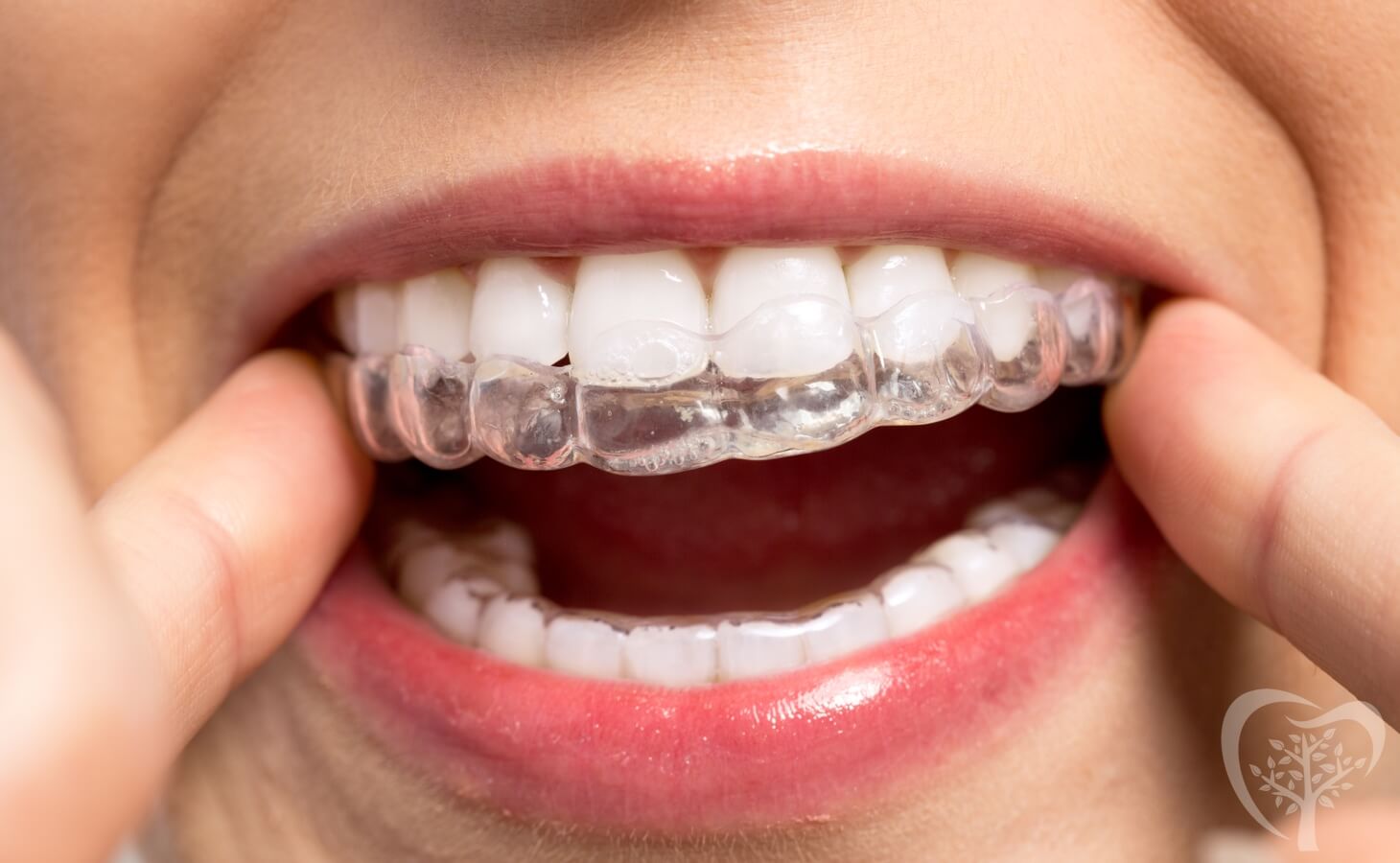
- Braces or clear aligners (more places for plaque to hide)
- Smoking/vaping or heavy staining
- Diabetes or other health conditions that affect healing and gum health
If you’re not sure where you fall, your dentist can recommend the best schedule based on what they see at your exam.
What Happens During a Cleaning and Exam?
A typical preventive visit often includes:
1) Professional cleaning
A professional cleaning helps remove plaque and tartar buildup that brushing and flossing can’t fully eliminate, helping prevent future dental problems.
2) Dental exam
Your dentist evaluates your teeth, gums, bite, and existing dental work, looking for early issues that are easier to treat.
3) Preventive planning
Preventive dental care includes check-ups, cleanings, and guidance that helps reduce the risk of bigger problems later.
7 Signs You Should Schedule a Visit Sooner
Don’t wait for your next “routine” visit if you notice:
- Bleeding when brushing or flossing
- Bad breath that doesn’t improve
- Tooth sensitivity to cold, hot, or sweets
- Pain when chewing
- Swollen, tender, or receding gums
- A chipped tooth or old filling that feels rough
- Jaw soreness or tension (especially in the morning)
These can be early warning signs that something needs attention.
Kids: When Should Children Start Dental Visits?
Kids should start dental care early, and routine visits help keep small problems from becoming big ones. A Northwest Dental offers family-focused care, including dentistry for children in Shoreline.
Simple tip for parents: consistency is everything, children who grow up with regular checkups are more likely to stay on top of dental care as adults.
FAQ
How long does a cleaning appointment take?
Most routine cleaning visits take about 45–60 minutes, depending on your needs and whether X-rays are needed.
What if it’s been years since my last cleaning?
You’re not alone. The best next step is simply to book a visit. Your dentist can evaluate your gums and create a comfortable plan to get you back on track.
Do I really need an exam if nothing hurts?
Yes. Many issues (like early cavities or gum disease) can progress quietly. Preventive visits are meant to catch problems before you feel pain.
Call to Action
If you’re due (or overdue) for a cleaning, A Northwest Dental is here to help you protect your smile with preventive care and a straightforward plan.
A Northwest Dental
Address: 16535 5th Ave NE, Shoreline, WA 98155
Phone: (206) 362-2500