

Dental implants can replace missing teeth with a restoration designed to look and function much like a natural tooth. But getting an implant is not the same as getting a filling or crown. The process involves careful planning, healing time, and an evaluation of your teeth, gums, and jawbone.
If you’re considering dental implants, it’s normal to have questions about the procedure, recovery, cost, and whether implants are right for you. At A Northwest Dental, we use advanced dental technology to evaluate your oral health and help you understand your treatment options.
Before making a decision, here’s what you should know.
What Are Dental Implants?
Dental implants are artificial tooth roots placed into the jawbone to support a replacement tooth. A typical implant restoration includes the implant post, an abutment, and an artificial tooth such as a crown.
Unlike a traditional bridge, an implant is designed to replace the root portion of a missing tooth. This gives the replacement tooth a stable foundation once the implant has properly healed with the surrounding bone.
Dental implants may be considered for people who have one or more missing teeth and have enough healthy bone to support an implant or can receive a bone graft when appropriate. A dental professional must evaluate your individual situation before determining whether implants are a suitable option.American Dental Association → https://www.ada.org/
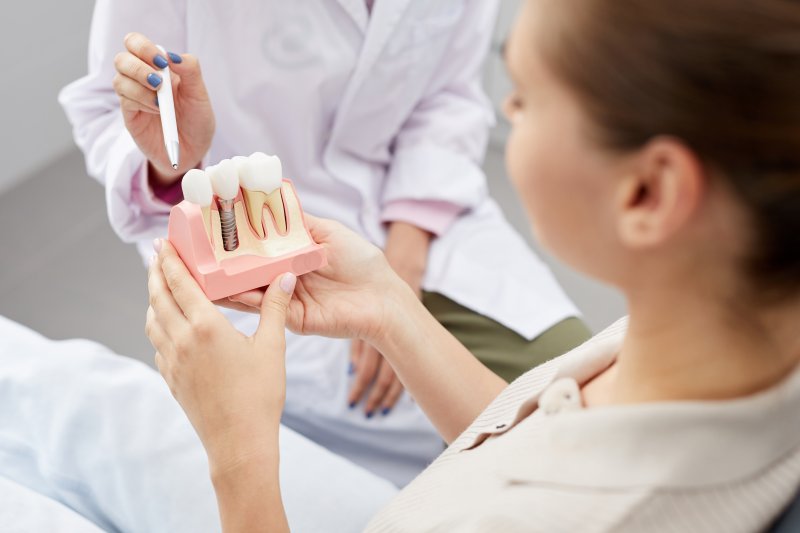
Are Dental Implants Right for You?
The best way to determine whether dental implants are appropriate is through a comprehensive dental evaluation. Your dentist will consider the condition of your jawbone, gums, remaining teeth, overall oral health, and treatment goals.
You may be a potential candidate if you:
- Have one or more missing teeth.
- Have adequate jawbone to support an implant.
- Have healthy oral tissues or can receive appropriate treatment first.
- Are able to maintain good oral hygiene.
- Understand that treatment can take several months.
- Are willing to follow your dentist’s instructions throughout treatment.
Certain health conditions and tobacco use can affect healing and implant success, so your dental team needs a complete picture of your health before treatment.
This is why an dental implant consultation should come before making a decision. Your dentist can explain whether an implant, bridge, denture, or another restoration makes the most sense for your needs.
What Happens During the Dental Implant Procedure?
The dental implant procedure usually takes place in stages rather than during one simple appointment. The exact process depends on your oral health and the number of teeth being replaced.
A typical treatment may involve:
- Evaluation and treatment planning: Your dentist examines your mouth and may use dental X-rays or 3D imaging to assess your teeth and jawbone.
- Tooth removal, when necessary: A damaged tooth may need to be removed before implant placement.
- Bone grafting, when needed: If the jawbone isn’t thick or strong enough, bone grafting may be recommended to create a stronger foundation.
- Implant placement: The implant post is placed into the jawbone.
- Healing: The bone gradually grows around the implant in a process called osseointegration.
- Abutment placement: An abutment connects the implant to the replacement tooth.
- Crown placement: Once the area has healed and the implant is ready, the final artificial tooth is attached.
Because healing takes time, the complete dental implant procedure can take several months. Some steps may be combined depending on the patient’s situation.
What Is Dental Implant Recovery Like?
Dental implant recovery varies from patient to patient and depends on the procedures involved. After surgery, you may experience some swelling, bruising, minor bleeding, or discomfort around the treatment area.
Your dental professional may recommend soft foods while the area heals and provide instructions for keeping the surgical site clean. Follow-up visits are important because your dentist needs to monitor healing before completing the final restoration.
Call your dental provider if pain, swelling, or another symptom becomes worse instead of improving after treatment.
The healing stage is also important because the implant needs to form a strong connection with the surrounding bone before it can reliably support the replacement tooth.
How Long Do Dental Implants Last?
The longevity of dental implants depends on several factors, including oral hygiene, regular dental care, lifestyle habits, the health of your gums and bone, and how well the implant is maintained.
Taking care of your implants is similar to taking care of your natural teeth. Regular brushing, cleaning between teeth, professional dental cleanings, and routine dental examinations can help keep the implant and surrounding tissues healthy.
Avoiding habits that can damage teeth, such as chewing ice or other hard objects, can also help protect the restoration.
What Are the Risks of Dental Implant Surgery?
Like any surgical procedure, dental implant surgery carries potential risks. These can include infection, damage to nearby structures, nerve-related symptoms, and sinus problems with certain upper-jaw implants.
Implants can also fail to properly fuse with the jawbone. Smoking may increase the risk of implant complications and failure.
That doesn’t mean implants are unsafe or unsuitable. It means proper evaluation and treatment planning matter. The American Dental Association also recommends that patients receive a comprehensive examination and discuss available treatment options with their dentist before proceeding with implants.
How Much Do Dental Implants Cost?
The cost of dental implants varies from patient to patient because implant treatment is customized. The final cost can depend on the number of teeth being replaced, the type of restoration, the condition of the jawbone, and whether additional procedures such as bone grafting are needed.
Rather than choosing an implant based only on a quoted price, ask what the treatment plan includes and whether additional procedures may be necessary.
At A Northwest Dental, we can evaluate your oral health and discuss the treatment options that may fit your needs.
Why Choose A Northwest Dental for Dental Implants?
A Northwest Dental provides comprehensive dental care in one convenient Shoreline location. Our practice uses advanced dental technology to help provide precise evaluations and personalized treatment planning.
If you’re dealing with missing teeth, dental implants may be one option worth discussing with our dental team. We can evaluate your oral health, explain the process, and help you understand your available options before you make a decision.
Our goal isn’t to push you toward a particular treatment. It’s to give you the information you need to make a decision that fits your oral health and goals.
Conclusion
Dental implants can provide a stable replacement for missing teeth, but successful treatment starts with the right evaluation and planning. You should understand the procedure, healing process, potential risks, maintenance requirements, and available alternatives before moving forward.
At A Northwest Dental, we combine personalized care with modern dental technology to help patients make informed decisions about their oral health. If you’re considering replacing a missing tooth, schedule a dental implant consultation with our team to discuss your options and determine what may be right for you.
Schedule a visit with A Northwest Dental today to take the first step toward restoring your smile.
Frequently Asked Questions
Are dental implants painful?
Dental implants involve surgery, so some discomfort, swelling, or soreness can occur during recovery, but your dental professional will provide appropriate instructions for managing it.
How long does the dental implant procedure take?
The dental implant procedure can take several months from start to finish because the jawbone needs time to heal around the implant.
Can anyone get dental implants?
Not everyone is an immediate candidate for dental implants, so a comprehensive dental evaluation is needed to assess bone, gum, and overall oral health.
How long does dental implant recovery take?
Dental implant recovery varies depending on the procedures performed and how your body heals.
Do dental implants require special care?
Dental implants should be cleaned regularly and checked by your dentist just like your natural teeth and surrounding gums.
Are dental implants the only option for missing teeth?
No, dental implants are one of several tooth-replacement options, which may also include bridges or dentures depending on your individual needs.