
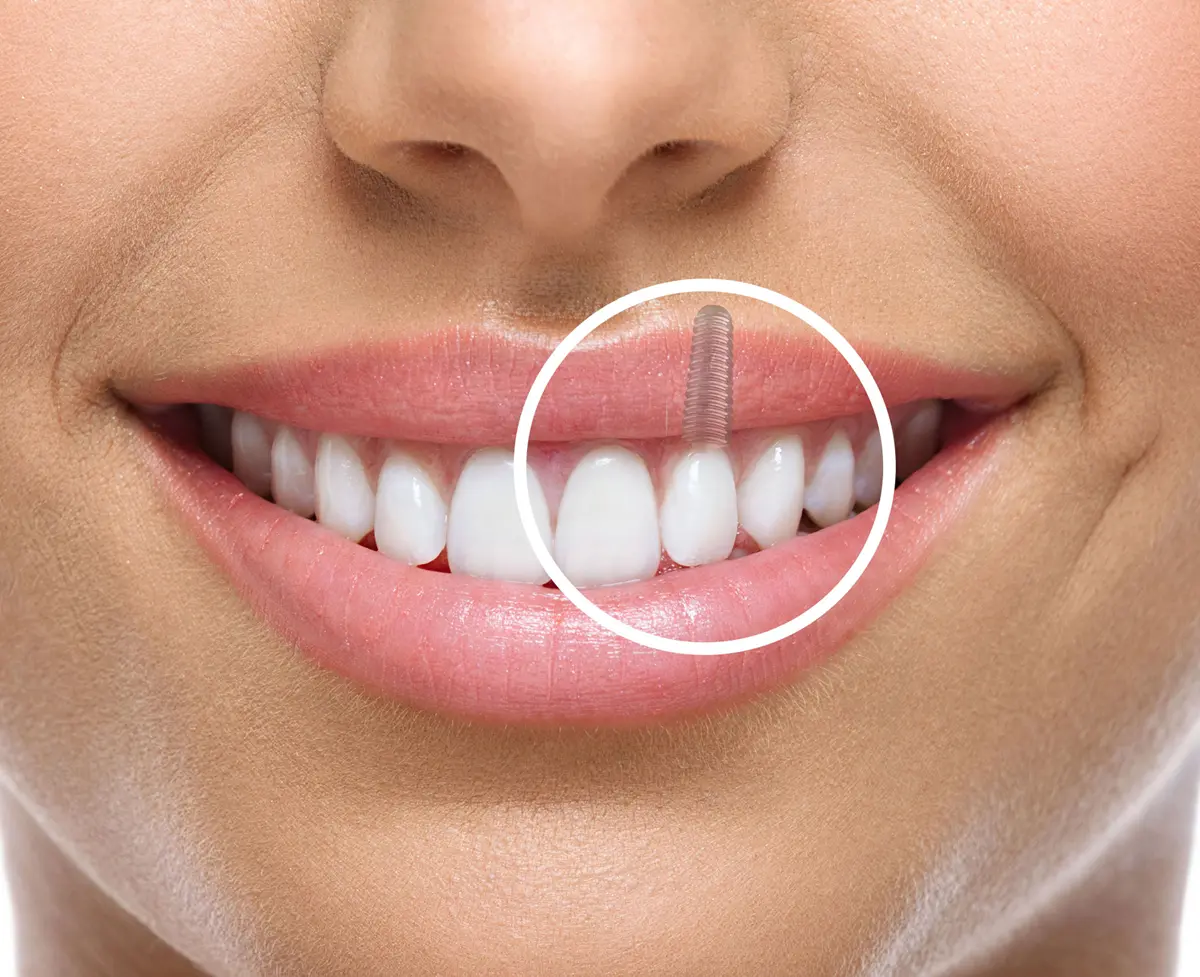
Dental implants can last for decades with proper care, making them one of the most durable options for replacing missing teeth. However, their actual lifespan depends on several factors, including oral hygiene, overall health, lifestyle habits, and regular dental visits. If you’re considering dental implants, understanding their long-term durability can help you make a more informed decision.
At A Northwest Dental, we believe patients should understand what to expect before choosing a dental treatment. Whether you’re replacing one missing tooth or several, knowing how to protect your investment is an important part of maintaining a healthy smile.
How Long Do Dental Implants Typically Last?
One of the most common questions patients ask is, how long do dental implants last? The answer depends on the implant itself and the restoration attached to it.
The dental implant is the component placed into the jawbone. Over time, it integrates with the surrounding bone through a process called osseointegration. This creates a stable foundation for the replacement tooth.
The crown, which is the visible part of the restoration, may need replacement sooner because it experiences daily chewing pressure and normal wear.
In general:
- Implant post: Can last 20 years or longer and may last a lifetime with proper care.
- Dental crown: Often lasts around 10–15 years, although some last longer depending on materials, maintenance, and wear.
- Implant-supported restorations: May require periodic adjustments, repairs, or replacement depending on their condition.
These are general estimates, not guarantees. Your dentist can help evaluate the expected longevity of your specific restoration.
6 Factors That Affect How Long Dental Implants Last
Although dental implants are designed for long-term use, several factors can influence their durability.
1. Daily Oral Hygiene
Good oral hygiene is essential for protecting dental implants. Although implants cannot develop cavities like natural teeth, the surrounding gum tissue can still become infected.
Brush twice daily using a soft-bristled toothbrush and clean between your teeth every day. Your dentist may also recommend special cleaning tools to help maintain the areas around your implants.
Proper dental implant care helps reduce plaque buildup and lowers the risk of inflammation around the implant.
2. Regular Dental Checkups
Routine dental visits allow your dentist to monitor the condition of your implant and the surrounding gums.
During these appointments, your dental team can check for:
- Gum inflammation or infection
- Changes in the supporting bone
- Loose or damaged crowns
- Excessive bite pressure
- Plaque and tartar buildup
Consistent dental implant maintenance helps identify potential problems before they become more serious.
3. Smoking and Tobacco Use
Smoking can negatively affect blood flow and interfere with healing after implant surgery. It may also increase the risk of implant complications and failure.
Patients who smoke should discuss these risks with their dentist before undergoing implant treatment.
Avoiding tobacco can help support healing and improve the long-term health of your implants.
4. Overall Health Conditions
Certain medical conditions can affect healing and the tissues supporting dental implants.
For example, uncontrolled diabetes may interfere with healing and increase the risk of infection. Other conditions and medications may also influence treatment outcomes.
Your dentist should review your medical history before recommending dental implant treatment.
5. Teeth Grinding and Clenching
Grinding or clenching your teeth, also known as bruxism, can place excessive pressure on dental implants and their restorations.
Over time, this pressure may contribute to:
- Cracked or damaged crowns
- Loose restoration components
- Discomfort around the implant
- Increased stress on supporting structures
If you grind your teeth while sleeping, your dentist may recommend a custom night guard to protect your restoration.
6. Diet and Everyday Habits
Dental implants are strong, but they are not indestructible. Frequently chewing ice, hard candy, or other extremely hard objects can damage the crown or restoration.
Maintaining a balanced diet and avoiding habits that place unnecessary pressure on your teeth can help protect your investment.
Signs Your Dental Implant May Need Attention
Dental implants should feel stable and comfortable once healing is complete. However, certain symptoms may indicate a problem that requires professional evaluation.
Contact your dentist if you experience:
- Pain or tenderness around the implant
- Swollen or bleeding gums
- Pus or discharge near the implant
- A loose crown or implant
- Difficulty chewing
- Changes in the way your teeth fit together
- Persistent bad taste around the implant
These symptoms may indicate inflammation, infection, or a mechanical problem with the restoration.
Do not ignore these warning signs. Early evaluation can help prevent further complications and protect the surrounding tissues.
How to Make Your Dental Implants Last Longer
If you want your implants to last as long as possible, consistent maintenance is essential.
Here are practical steps you can follow:
Brush and floss daily. Clean your teeth and implant restorations regularly to prevent plaque accumulation.
Schedule routine dental appointments. Professional examinations help monitor implant stability and gum health.
Avoid smoking. Tobacco use can increase the risk of complications and negatively affect oral health.
Protect your teeth from grinding. Ask your dentist whether a night guard is appropriate for you.
Avoid chewing extremely hard objects. Protect your implant crown from unnecessary damage.
Follow your dentist’s instructions. Every implant restoration has specific care requirements, so follow the recommendations provided by your dental team.
These habits support long-term dental implant maintenance and help keep your smile healthy.
Are Dental Implants Worth the Long-Term Investment?
For many patients, dental implants are worth considering because they provide a stable, natural-looking solution for missing teeth.
Unlike traditional removable dentures, implants are anchored in the jawbone and do not need to be removed for daily cleaning. They can also help maintain jawbone stimulation in the area where a tooth is missing.
However, dental implants require a surgical procedure, adequate healing time, and ongoing maintenance. They may also involve a higher initial cost than some other tooth replacement options.
If you’re researching dental implants Shoreline WA, consider both the initial treatment and the long-term care involved.
A professional consultation can help you understand the benefits, limitations, costs, and suitability of dental implants based on your individual oral health.
Finding the Right Dental Implant Dentist in Shoreline, WA
Choosing an experienced dental team is an important step toward successful implant treatment.
A qualified dental implant dentist Shoreline patients can trust should evaluate your oral health, explain the treatment process, and discuss the potential risks and benefits before recommending a procedure.
At A Northwest Dental, we provide personalized dental care using modern technology and a patient-focused approach. Our goal is to help patients understand their treatment options and make informed decisions about their smiles.
Whether you’re exploring tooth replacement Shoreline WA options or want to learn more about maintaining existing dental implants, our team is here to help.
We proudly welcome patients from Shoreline, Kenmore, Mountlake Terrace, Lynnwood, Mill Creek, Bothell, Kirkland, and surrounding communities.
Frequently Asked Questions
How long do dental implants last on average?
Dental implants can last 20 years or longer with proper care, although individual results vary.
Can dental implants last a lifetime?
Yes, the implant post may last a lifetime, but the attached crown or restoration may eventually need replacement.
Do dental implants need to be replaced?
The implant post does not always need replacement, but damaged or worn crowns and other restoration components may require repair or replacement.
How often should I have my dental implants checked?
You should have your dental implants evaluated during regular dental visits, with the frequency determined by your dentist.
Can dental implants fail after 10 years?
Yes, dental implants can develop complications years after placement, particularly if infection, bone loss, or excessive pressure occurs.
Does smoking affect how long dental implants last?
Yes, smoking can increase the risk of healing complications, infection, and implant failure.
How do I keep my dental implants in good condition?
Brush and clean between your teeth daily, avoid smoking, protect against teeth grinding, and attend regular dental appointments.
Conclusion
So, how long do dental implants last? With proper placement, good oral hygiene, and consistent professional care, dental implants can last 20 years or longer, and the implant post may last a lifetime. However, the crown or attached restoration may need replacement due to normal wear and tear.
The key to protecting your dental implants is maintaining healthy gums, attending regular dental checkups, and following your dentist’s care recommendations.
If you’re considering dental implants or want to learn how to maintain your existing restoration, A Northwest Dental is ready to help. Our team provides personalized dental care to help you protect your oral health and enjoy a confident smile.
Schedule a visit with A Northwest Dental today to discuss your dental implant options and long-term oral health goals.