
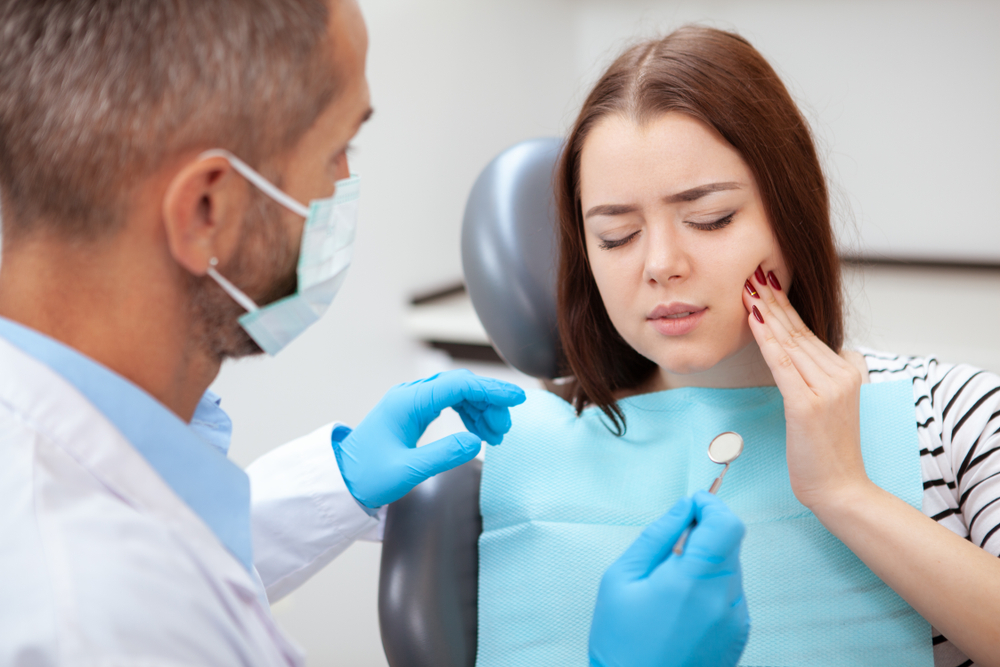
Does drinking cold water, eating ice cream, or sipping hot coffee cause a sudden, sharp pain in your teeth? You may be experiencing tooth sensitivity. Although occasional discomfort can seem harmless, persistent sensitivity may indicate an underlying dental problem that needs attention.
Finding the right tooth sensitivity treatment starts with understanding what causes the discomfort. Sensitive teeth can develop because of worn tooth enamel, receding gums, cavities, cracked teeth, or other oral health concerns. The best solution depends on the cause and how severe your symptoms are.
At A Northwest Dental, we believe that understanding your oral health helps you make better decisions about your care. If tooth sensitivity is affecting your daily routine, learning what triggers it can help you take the next step toward a healthier, more comfortable smile.
What Causes Tooth Sensitivity?
Tooth sensitivity occurs when the protective enamel covering your teeth wears down or when the roots become exposed. Beneath the enamel is dentin, a layer containing tiny channels that connect to the tooth’s inner nerve tissue. When dentin is exposed, hot, cold, sweet, or acidic foods and drinks can trigger discomfort.
Here are some of the most common sensitive teeth causes you should know about.
1. Worn Tooth Enamel
Enamel protects your teeth from temperature changes, acids, and everyday wear. However, enamel can gradually weaken due to frequent exposure to acidic foods and drinks, aggressive brushing, or teeth grinding.
Once enamel wears away, it does not grow back naturally, making your teeth more vulnerable to sensitivity.
What you can do: Use a soft-bristled toothbrush, brush gently with fluoride toothpaste, and limit frequent consumption of acidic beverages such as soda and citrus drinks. A dentist may recommend desensitizing products or other treatments depending on the extent of the enamel damage.
2. Gum Recession
Gum recession happens when the gum tissue surrounding your teeth pulls back, exposing the roots. Unlike the crown of a tooth, the root surface does not have a protective enamel covering, making it more sensitive to temperature changes and touch.
Gum recession may develop because of gum disease, aggressive brushing, or other factors affecting your gums.
What you can do: Maintain gentle brushing and daily cleaning between your teeth. If you notice receding gums, arrange a dental examination to identify the cause and determine whether periodontal treatment is necessary.
3. Cavities and Tooth Decay
Cavities develop when bacteria in dental plaque produce acids that damage tooth enamel. As decay progresses, it can reach deeper layers of the tooth and cause sensitivity or pain.
You might notice discomfort when eating sweets or drinking something cold. However, cavities do not always cause symptoms during their early stages.
What you can do: Schedule a dental examination if you suspect a cavity. Depending on the severity, treatment may involve fluoride therapy, a filling, or a more extensive procedure if the decay has reached the tooth’s inner tissue.
4. Cracked or Damaged Teeth
A cracked tooth can cause sharp pain when biting down or releasing your bite. Temperature sensitivity may also occur, particularly when the crack affects the deeper structures of the tooth.
Cracks can develop from biting hard foods, injuries, teeth grinding, or everyday wear.
What you can do: Have a dentist evaluate a suspected crack as soon as possible. Depending on its location and severity, treatment may involve bonding, a dental crown, or other restorative care.
5. Teeth Grinding
Teeth grinding, also called bruxism, can gradually wear down enamel and place excessive pressure on your teeth. Some people grind their teeth during sleep without realizing it.
Common signs include morning jaw soreness, headaches, flattened tooth surfaces, and increased tooth sensitivity.
What you can do: Your dentist can assess signs of grinding and recommend appropriate management. Depending on your needs, this may include a custom night guard to protect your teeth from further wear.
6. Recent Dental Procedures
Some people experience temporary sensitivity after professional teeth cleaning, fillings, crowns, or teeth whitening. This discomfort may improve as the teeth settle after treatment.
However, sensitivity that is severe, persistent, or getting worse should not be ignored.
What you can do: Follow your dentist’s aftercare instructions and contact the dental office if the discomfort does not improve or interferes with eating and drinking.
Tooth Sensitivity Treatment: What Actually Works?
The most effective tooth sensitivity treatment depends on what is causing the symptoms. Mild sensitivity may improve with changes to your oral care routine, while cavities, cracks, and gum disease require professional attention.
Use Desensitizing Toothpaste
Desensitizing toothpaste contains ingredients that help reduce the transmission of sensations through exposed dentin or block the pathways that trigger discomfort.
Use the toothpaste consistently according to its instructions. It may take several applications over days or weeks before you notice meaningful relief.
Brush With Fluoride Toothpaste
Fluoride helps strengthen tooth enamel and protect against decay. Brushing twice daily with fluoride toothpaste is an important part of maintaining healthy teeth.
Choose a soft-bristled toothbrush and avoid scrubbing aggressively, especially near the gumline.
Reduce Acidic Foods and Drinks
Frequent exposure to acids can weaken enamel and increase sensitivity. Common sources include soft drinks, citrus fruits, sports drinks, and acidic candies.
You do not necessarily need to eliminate every acidic food. Instead, limit frequent exposure, rinse your mouth with water afterward, and wait about 30–60 minutes after consuming acidic foods or drinks before brushing.
Consider Professional Dental Treatment
If home care does not resolve the problem, professional treatment may be necessary. Depending on the diagnosis, your dentist may recommend:
- Fluoride varnish or other desensitizing treatments.
- Dental fillings for cavities.
- Bonding to cover exposed areas.
- Treatment for gum disease.
- A crown for certain damaged teeth.
- Root canal treatment when the tooth’s inner tissue is irreversibly inflamed or infected.
A dental examination helps determine which approach is appropriate instead of treating the symptoms alone.
When Should You See a Dentist for Sensitive Teeth?
Occasional sensitivity may improve with better oral care, but recurring or worsening symptoms deserve professional attention.
Schedule an appointment if you experience persistent pain, sensitivity in one particular tooth, discomfort when biting, visible cavities, or gums that are swollen or receding.
Seek urgent dental care for severe pain, facial swelling, fever, or signs of spreading infection. Difficulty breathing or swallowing with facial or neck swelling requires emergency medical care.
A dentist can examine your teeth and gums, identify the likely cause, and recommend a suitable treatment plan.
How Preventive Dentistry Can Help Prevent Tooth Sensitivity
Good oral hygiene plays an important role in reducing the risk of cavities, gum disease, and enamel damage. Regular checkups also help identify changes before they develop into more serious problems.
Through preventive dentistry Shoreline, patients can receive routine examinations, professional cleanings, and personalized recommendations for maintaining healthy teeth and gums.
At A Northwest Dental, we focus on helping patients understand their oral health and make informed decisions about their care. Our team serves patients in Shoreline, Kenmore, Mountlake Terrace, Lynnwood, Mill Creek, Bothell, Kirkland, and surrounding communities.
If you’re looking for a dentist in Shoreline WA because sensitive teeth are making meals or drinks uncomfortable, a dental evaluation can help identify the cause and determine the most appropriate next step.
Conclusion
Tooth sensitivity can develop for several reasons, including worn enamel, gum recession, cavities, cracked teeth, and teeth grinding. While desensitizing toothpaste and improved brushing habits may help with mild symptoms, persistent discomfort may require professional treatment.
The most effective tooth sensitivity treatment addresses the underlying cause rather than simply masking the pain. If your teeth hurt when you eat, drink, or brush, do not ignore the symptoms or assume they will disappear on their own.
A Northwest Dental is here to help you understand your dental concerns and explore appropriate treatment options. Schedule an appointment today to take the next step toward a healthier, more comfortable smile.
Frequently Asked Questions
What is the best tooth sensitivity treatment?
The best tooth sensitivity treatment depends on the cause and may include desensitizing toothpaste, fluoride applications, fillings, or treatment for gum disease.
Can sensitive teeth go away on their own?
Mild sensitivity may improve when the triggering cause is removed, but persistent or worsening symptoms should be evaluated by a dentist.
Why do my teeth hurt when I drink cold water?
Cold water can trigger discomfort when enamel is worn, gums have receded, dentin is exposed, or a tooth has decay or damage.
Does sensitive teeth toothpaste really work?
Yes, desensitizing toothpaste can reduce discomfort for many people when used consistently, although it does not treat every underlying dental problem.
When should I see a dentist for tooth sensitivity?
You should see a dentist if sensitivity persists, worsens, affects one specific tooth, or occurs alongside pain when biting, swelling, or other concerning symptoms.